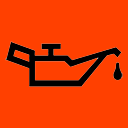
Oil pressure
RedStop safely
Engine oil pressure is dangerously low. Continuing can destroy the engine in minutes.
Full guide →Know your car
Search common UK dashboard warning lights by name, colour or symbol — then open the dedicated page for causes, steps and MOT notes. Red usually means stop when safe; amber means investigate soon. Your handbook is always the final word.
18 lights · each opens a dedicated SEO page
Stop safely
Engine oil pressure is dangerously low. Continuing can destroy the engine in minutes.
Full guide →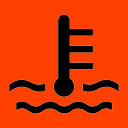
Stop safely
Coolant is too hot or level is critically low.
Full guide →
Stop safely
Brake fluid may be low, a circuit failed, or the parking brake is on.
Full guide →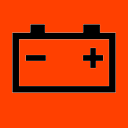
Stop safely
Alternator or charging circuit issue — the car is running on battery alone.
Full guide →
Investigate soon
Supplemental restraint system fault — airbags or pretensioners may not fire.
Full guide →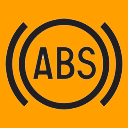
Investigate soon
Anti-lock braking may be disabled. Normal braking usually still works.
Full guide →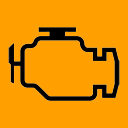
Investigate soon
Emissions or engine control fault stored. Flashing often means misfire.
Full guide →
Investigate soon
One or more tyres are under-inflated or a sensor has failed.
Full guide →
Investigate soon
Stability system fault or system switched off.
Full guide →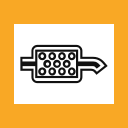
Investigate soon
DPF is loading with soot or cannot regenerate.
Full guide →
Investigate soon
AdBlue level low or SCR system fault. Cars can refuse to restart when empty.
Full guide →
Info / system on
Normal wait-to-start on many diesels; stays on = fault.
Full guide →
Info / system on
Screenwash reservoir is low.
Full guide →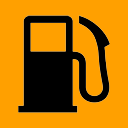
Investigate soon
Loose fuel cap or evaporative emissions leak on some cars.
Full guide →
Stop safely
High-voltage or hybrid drive fault. Symbols vary widely by brand.
Full guide →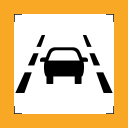
Info / system on
Camera blocked, misaligned or system unavailable.
Full guide →
Info / system on
Main beam headlights are on.
Full guide →
Info / system on
Exterior sidelights are on.
Full guide →Icon artwork mostly from Wikimedia Commons dashboard tell-tales / ISO 7000. Symbols still vary slightly by manufacturer — confirm in your handbook.
Search or browse below, then open the light’s own URL (for example engine management or oil pressure) for a fuller guide. Those pages are built for Google’s “what does X light mean” queries.
Colour is the first filter: red = safety-critical or stop soon; amber/yellow = fault that needs attention; green/blue usually confirm a system is on.
Photograph the exact symbol and any message. That helps a garage more than “some light came on”.
Red — stop safely. Open the oil pressure guide for causes and recovery advice.
Steady vs flashing matters. The dedicated page covers misfire risk and MOT fails.
Diesel filter, urea and tyre-pressure lights each have their own step-by-step page.
MotorTools calculators give planning estimates only. Confirm figures against GOV.UK, your V5C, handbook or a qualified garage before buying, renewing tax or carrying out work.